

Manufacturer of Filling Machine Pump
Filling machine pumps play a critical role in automated and semi-automated filling systems used across various industries. These pumps are specially designed to deliver precise, repeatable, and controlled flow of liquids into containers, ensuring consistent fill volumes and minimal product wastage. Filling machine pumps are widely used in food & beverage, pharmaceuticals, cosmetics, chemicals, lubricants, and personal care industries, where accuracy and hygiene are essential.
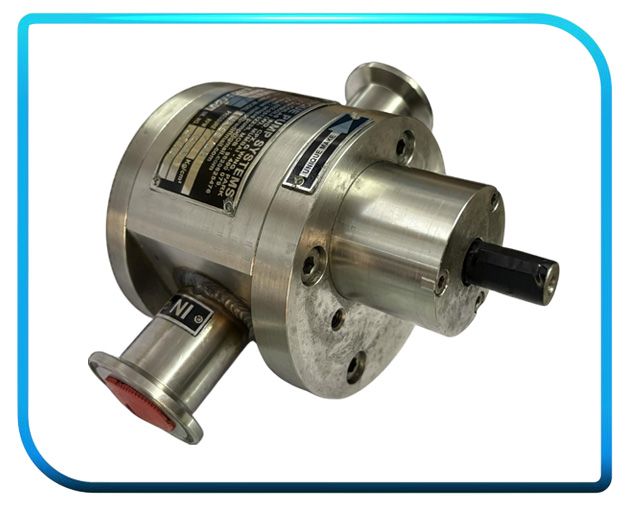
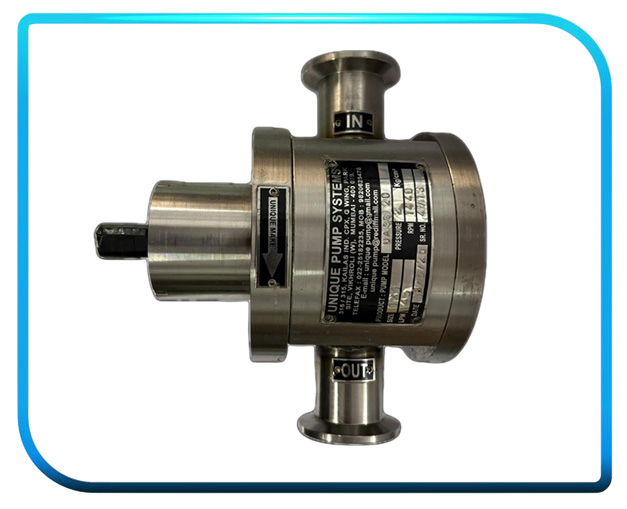

UNIQUE PUMP SYSTEMS, established in 1988, has a reputation in the Industrial market as the Manufacturer of Lobe Pump, Rotary Gear Pump, Mechanical Seal confirming to the highest quality standards in various types and capacities.
We are engaged in manufacturing other types of Pumps like Stainless Steel Centrifugal Pump, Filling Machine Pump, Filling Pump and sell branded pumps like Tushaco Make Pump, Rotodel Make Pump.
FILLING PUMP :
A "Pump" is a mechanical device used to move fluids (liquids or gases) from one place to another. A "filling pump" could potentially refer to a pump used for filling containers or tanks with a particular substance, such as a fuel pump at a gas station or a pump used to fill water tanks. Filling pumps, also known as fill pumps or transfer pumps, are devices used to transfer liquids from one container to another.
USE OF FILLING PUMP :
A filling pump is typically used to transfer liquids, such as fuel, water, or chemicals, from one container to another. The exact steps and procedures for using a filling pump can vary depending on the type of pump and the specific application.
GUIDELINE FOR USING A FILLING PUMP :
Safety Precautions : Before using the pump, ensure you are wearing appropriate personal protective equipment (PPE) such as gloves and safety goggles. Make sure the pump and all related equipment are in good working condition and have been properly maintained.
Select the Correct Pump : Choose a filling pump that is suitable for the type of liquid you need to transfer. Different pumps are designed for different fluids and viscosities.
Setup : Place the source container (from which you are transferring the liquid) on a stable surface. Position the receiving container (where you want to fill the liquid) in a location that allows for easy and safe filling.
Connect Hoses and Nozzles : Attach the appropriate hoses and nozzles to the pump's inlet and outlet ports. Ensure a secure connection to prevent leaks.
Prime the Pump (if necessary) : Some pumps may require priming to remove air from the system. Follow the manufacturer's instructions for priming, if needed.
Power On (if applicable) : If the filling pump is powered (e.g., electric, or gas-powered), turn it on following the manufacturer's instructions.
Start Pumping : Begin the transfer process by activating the pump. This may involve using a switch, handle, or other controls depending on the pump type.
Monitor the Transfer : Keep an eye on the liquid flow and ensure it is going into the receiving container without any spills or leaks.
Adjust Flow Rate (if possible) : Some pumps allow you to control the flow rate. Adjust it as needed to prevent overfilling or splashing.
Complete the Transfer : Once the desired amount of liquid has been transferred, turn off the pump and disconnect the hoses and nozzles carefully.
Clean Up : Safely dispose of any leftover liquid and properly clean the pump and related equipment.
Store the Pump : Store the filling pump in a dry and secure location, following any manufacturer recommendations for maintenance and storage.
They are commonly used in various industries and applications, including :
Fueling Stations : Filling pumps at gas stations are used to transfer gasoline, diesel fuel, or other fuels from storage tanks to vehicles.
Chemical Industry : In chemical manufacturing, filling pumps are used to transfer various chemicals from one container to another for processing or packaging.
Food and Beverage Industry : These pumps are employed to transfer liquids like beverages, sauces, and oils from bulk containers to packaging units such as bottles, cans, or drums.
Pharmaceuticals : In pharmaceutical manufacturing, filling pumps help transfer liquids or viscous substances into vials, syringes, or other containers.
Water and Wastewater Treatment : Filling pumps are used to move water or chemicals in water treatment processes.
Oil and Gas Industry : In the oil and gas sector, filling pumps are used to transfer crude oil, natural gas, or various chemicals for drilling, refining, and transportation purposes.
Agriculture : Filling pumps are used in agriculture to transfer fertilizers, pesticides, and other agricultural chemicals.
These pumps come in various types and configurations, including centrifugal pumps, positive displacement pumps, diaphragm pumps, and more. The choice of pump depends on the specific requirements of the application, including the type of liquid being transferred, flow rate, pressure, and viscosity.
Proper maintenance and safety precautions are essential when working with filling pumps, as they are often used to handle hazardous materials. It's important to follow manufacturer guidelines and industry safety standards to prevent accidents and ensure the safe and efficient transfer of liquids.
What is a Filling Machine Pump?
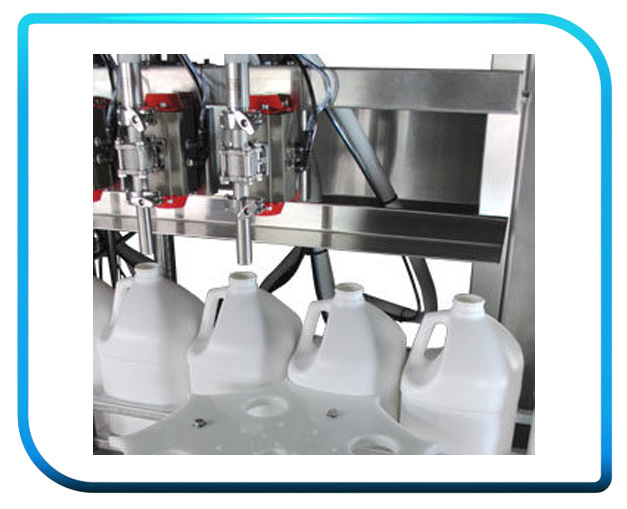
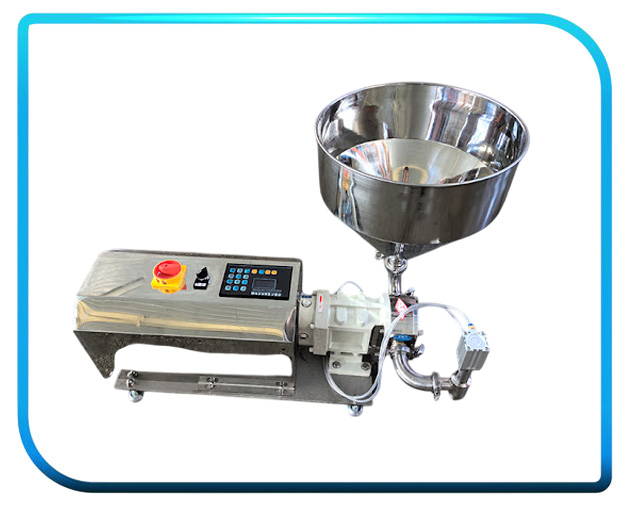
A filling machine pump is a type of positive displacement pump integrated into liquid filling machines to transfer and dispense fluids into bottles, jars, cans, pouches, or other containers. Depending on the application, these pumps can handle low to high viscosity liquids, including thin fluids, semi-thick products, and viscous materials.
Common pump types used in filling machines include :
» Gear Pumps
» Lobe Pumps
» Diaphragm Pumps
» Peristaltic Pumps
Among these, gear pumps are often preferred for their precision, compact design, and consistent flow control.
How Does a Filling Machine Work?
The working principle of a filling machine pump involves controlled fluid transfer and accurate volume dispensing :
1. Product Intake - The pump draws liquid from a storage tank or hopper.
2. Flow Control - The pump regulates the flow rate to ensure accurate filling volume.
3. Dispensing - The liquid is discharged through nozzles into containers.
4. Cycle Repeat - The process repeats for each container, maintaining uniform fill levels.
The pump synchronizes with sensors, timers, or PLC systems to achieve high accuracy, repeatability, and efficiency during continuous or batch filling operations.
Advantages of Filling Machine Pumps :
Filling machine pumps offer several operational and production benefits :
1. High Filling Accuracy
These pumps deliver precise volumes, ensuring uniform product filling and reducing overfilling or underfilling.
2. Suitable for Wide Range of Fluids
Filling machine pumps can handle thin liquids, viscous fluids, oils, syrups, creams, gels, and chemicals.
3. Consistent and Smooth Flow
Positive displacement operation ensures steady flow without pulsation, improving filling quality.
4. Compact and Space-Saving Design
Their compact construction allows easy integration into automatic and semi-automatic filling lines.
5. Hygienic and Easy to Clean
When manufactured in stainless steel and hygienic designs, these pumps meet food and pharmaceutical standards and support CIP (Clean-in-Place).
6. Low Maintenance
Simple mechanical construction results in reduced wear, easy servicing, and longer operational life.
7. Improved Productivity
High-speed, accurate filling improves production output and reduces product loss.
Applications of Filling Machine Pumps :
» Food & beverage filling (oils, sauces, syrups, dairy)
» Pharmaceutical liquids and syrups
» Cosmetics and personal care products
» Chemical and solvent filling
» Lubricants and industrial oils
Frequently Asked Questions (FAQs)
Q1. What type of pump is best for filling machines?
Gear pumps, lobe pumps, and peristaltic pumps are commonly used. The best choice depends on the fluid viscosity, required accuracy, and hygiene standards.
Q2. Can filling machine pumps handle viscous products?
Yes, filling machine pumps are well-suited for viscous liquids such as creams, gels, syrups, oils, and pastes.
Q3. Are filling machine pumps accurate?
Yes, these pumps are designed for high precision and repeatability, ensuring consistent fill volumes in every cycle.
Q4. Are filling machine pumps suitable for food and pharmaceutical applications?
Yes, when manufactured using food-grade materials like stainless steel and hygienic seals, they are ideal for food and pharmaceutical use.
Q5. Are these pumps easy to maintain?
Yes, filling machine pumps have a simple design with minimal moving parts, making them easy to clean, maintain, and service.
Q6. Can filling machine pumps be automated?
Yes, they can be easily integrated with PLCs, sensors, and automated filling systems for high-speed production lines.